As the cold winds begin to blow, the traditional season for tonic supplementation is upon us once again. Ginseng, bird’s nest, donkey-hide gelatin, royal jelly, vitamin preparations...all kinds of nutritional products are seeing peak sales. However, when these items arrive at the border, customs officers view them not merely as “tonics”, but as batches of import and export goods that require precise identification, accurate classification, and correct policy application.
Classification is the cornerstone of customs supervision. It determines the tariff rates, regulatory conditions, tax refund policies, and market access permits for goods. Using an incorrect HS code can result in the entire shipment being held up or rejected at customs.
Starting from the fundamental logic of customs supervision, this article will outline the classification methodology and key points for common winter tonic products.
I. Foundational Knowledge
When presented with a shipment of imported supplements, how does one methodically analyze to determine its correct “identity”? The underlying logic follows a rigorous “Three-Step Analysis Method”.
1. Categorize by Nature: Food or Drug?
This is the most fundamental distinction, which directly determines the chapter under which the goods will be classified. Products holding a China National Medical Products Administration (NMPA) Approval Number must be classified under Chapter 30 (Pharmaceutical Products).
Those imported as ordinary food, dietary supplements, or Chinese herbal medicines are classified into other chapters based on their composition.
2. Assess Processing Level: Raw Material or Finished Product?
Customs classification adheres to the principle of “substantial transformation”. For example:Whole dried American ginseng is a raw material, classified under 1211.2011.Ginseng extract is a deeply processed product, likely classified under 1302.1990.Ginseng lozenges are finished products, likely classified under 2106.9090.Generally, the greater the degree of processing, the more the applicable tariff rates and regulatory conditions may differ.
3. Identify Source: Plant, Animal, or Chemically Synthesized?
This determines the specific subheading within a chapter.
Plant-based: Search primarily under Chapters 7,8, 12, 13, etc.
Animal-based: Search primarily under Chapters 2, 4, 5, 15, etc. Special Attention: Products involving endangered species (e.g., certain wildlife products) require an additional CITESImport Permit.
Chemically synthesized (e.g., vitamins, minerals): Search primarily under Chapter 29 (Organic Chemicals), Chapter 21 (Miscellaneous Edible Preparations), Chapter 30 (Pharmaceutical Products), etc.
II. Common Case Studies
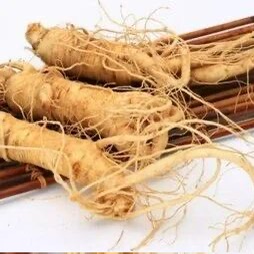
1. Ginseng
Classification Approach: Fresh American ginseng is classified under 1211.2011; dried wild ginseng (wild, of Russian origin) is classified under 1211.2021. The intended use (medicinal or edible) must be declared.
2. Bird’s Nest
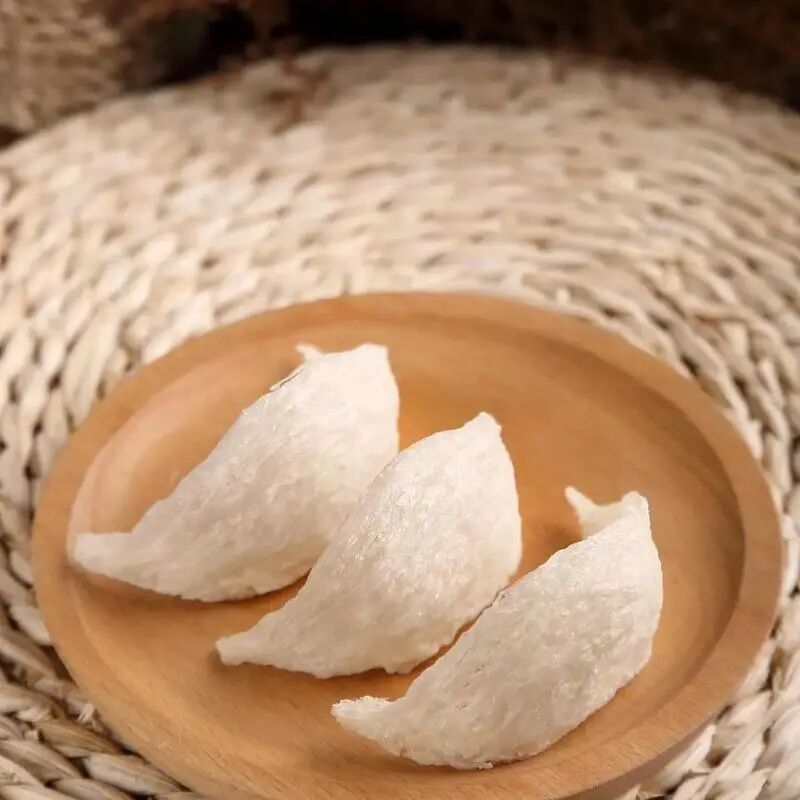
Classification Approach: Unprocessed or minimally processed bird’s nest (uncleaned)is classified under 0410.9010. If the bird’s nest undergoes processes such as cleaning, stewing, or canning to become ready-to-eat products or beverages, it is classified under 2106.9090.
3. Fish Oil
Classification Approach: The core of fish oil classification lies in composition analysis. Single-component fish oil, as specifically listed, is classified under 1504.2000. Blended fish oil is classified under codes like 1517.9090 or 2106.9090, depending on the nature and proportion of additives. While processing methods, intended use, and packaging form serve as auxiliary criteria for judgment, composition remains the decisive factor.

4. Dong’e Donkey-Hide Gelatin
Classification Approach: Medicinal donkey-hide gelatin that is in retail packaging, with specified dosage, and intended for treating or preventing disease is classified as a pharmaceutical under 3004.9059. Products like donkey-hide gelatin candy, classified as ordinary food, fall under 2106.9090.
III. Risk Alerts and Compliance Recommendations
1. Risk of Inaccurate Classification Declaration
This occurs when an enterprise, in declaring import or export goods to customs, provides an inaccurate or untrue HS code for the commodity, resulting in a mismatch between the declared classification and the actual goods.
Common examples include a mismatch between the declared and actual product name, errors in declared specifications or ingredients, or confusion between similar products.
2. Risk of Missing Required Regulatory Documentation
This refers to an enterprise failing to obtain the necessary permits or certificates as required when importing or exporting specific goods, such as:
Animal Quarantine Permit: Mandatory for animal-derived products like bird’s nest and deer antler.
CITES Certificate: It is essential to confirm whether the product involves species listed in the appendices of theConvention on International Trade in Endangered Species of Wild Fauna and Flora (CITES) and to obtain the requisite certificate.
3. Risk of Label Non-compliance
Prepackaged food products must have Chinese labels that comply with national standards, clearly indicating information such as ingredients, content, and manufacturer. Non-compliant labels will result in orders for rectification or re-export of the goods.
4. Risk of Incorrect Price Declaration
The transaction price of high-value supplements should be declared truthfully. Customs authorities maintain long-term tracking of price information for tonic products. Declaring a price significantly below the prevailing market level will trigger a customs price investigation.
IV. Customs Reminders
Utilize the “Advance Ruling on Classification” SystemEffectively: Before the actual import or export of goods, enterprises may apply to customs with detailed product information to obtain a legally binding classification opinion. This serves to fundamentally mitigate risks.
Invest in Professional Compliance Capabilities: Enterprises are advised to hire or train specialized customs declaration and classification personnel and to subscribe to official tariff publications promptly. This helps ensure declaration accuracy right from the source.
Disclaimer:The above content is translated from Chinese version of Tianjin Customs 12360 Hotline. The Tianjin Customs 12360 Hotline version shall prevail.
